

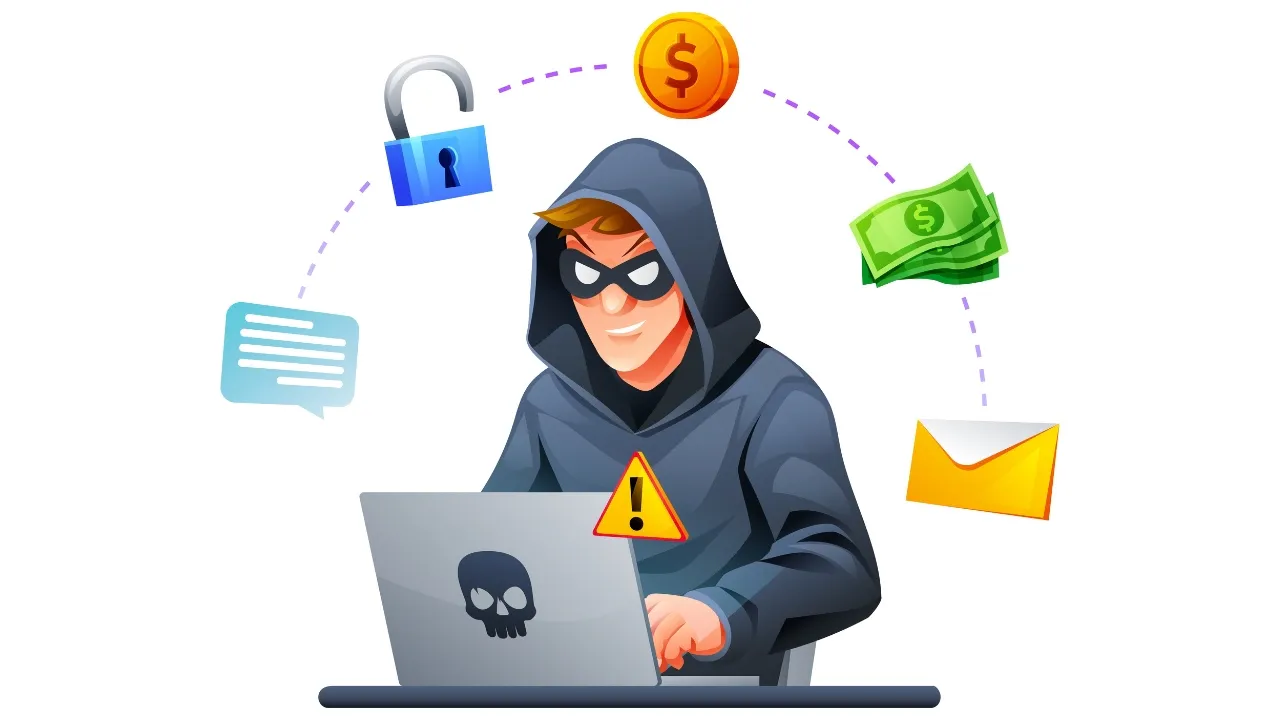
In India, every one uses UPI daily, internet banking, credit cards, and social media for personal and financial transactions. While digital payments have made life easier, they have also increased the risk of online fraud. If money is transferred fraudulently or personal information is misused, filing a Cyber Crime Complaint promptly can help authorities begin the reporting and investigation process.
This blog explains what a cyber crime complaint is, when it should be filed, how to report online fraud in India, what evidence to preserve, and the official channels available to citizens. Whether the incident involves UPI fraud, fake investment schemes, identity theft, or WhatsApp scams, understanding the correct reporting process can help you act quickly and responsibly.
Why Cyber Crime Complaints Matter Today?
A cyber crime complaint is often the first official step towards reporting digital fraud and enabling the relevant authorities to initiate appropriate action. Reporting promptly also helps financial institutions and investigating agencies coordinate preventive measures wherever possible.
Today's fraudsters target:
- UPI payments
- Internet banking
- Credit cards
- Mobile wallets
- Social media platforms
- Messaging applications
- Investment platforms
Cyber criminals frequently rely on social engineering rather than technical hacking. They attempt to convince victims to voluntarily disclose confidential information or authorise fraudulent transactions.
Reporting incidents helps:
- Create an official complaint record.
- Assist investigating agencies.
- Enable banks and payment service providers to take appropriate actions where possible.
- Strengthen national cyber fraud monitoring systems.
- Improve cyber awareness across the country.
Important: If financial fraud has occurred, report it immediately through the official cyber crime reporting system or the national cyber helpline 1930 without unnecessary delay.
What is a Cyber Crime Complaint?
A Cyber Crime Complaint is an official report submitted by an individual who has experienced or witnessed a cyber-enabled offence. It enables the competent authorities to examine the incident and initiate the appropriate process under applicable laws and procedures.
Examples include:
- Financial fraud
- Identity theft
- Social media account compromise
- Online impersonation
- Phishing attacks
- Fake loan applications
- Investment fraud
- Cyber stalking
- Online extortion
A complaint may be submitted through the National Cyber Crime Reporting Portal or reported to the appropriate police authorities depending on the nature of the incident.
When Should You File a Cyber Crime Complaint?
Any suspected digital fraud or unauthorised online activity affecting your finances, identity, devices, or online accounts should be reported as soon as possible. Early reporting enables faster coordination between investigating agencies, banks, and payment service providers where applicable.
1. UPI Fraud
Examples include:
- unauthorised UPI transfers
- fake payment requests
- QR code scams
- payment collection fraud
- fraudulent merchant transactions
If money has already been debited:
- contact your bank immediately,
- report through the National Cyber Crime Reporting Portal,
- call the national cyber helpline 1930 without delay.
2. OTP Fraud
Never share:
- OTPs
- debit card PINs
- CVV numbers
- internet banking passwords
If an OTP has been shared and unauthorised transactions occur, report the incident immediately.

3. Fake Investment
Fraudsters commonly promise:
- guaranteed returns
- cryptocurrency profits
- stock market tips
- forex gains
- doubling schemes
Warning signs include:
- pressure to invest immediately,
- unrealistic returns,
- unregistered platforms,
- requests for repeated deposits.
If money has already been transferred, file a cyber crime complaint promptly.
4. Loan Scam
Loan scams commonly involve:
- fake NBFC websites
- fraudulent lending apps
- advance processing fee fraud
- fake approval messages
- forged customer support numbers
Before sharing documents or making any payment:
- verify the lender,
- confirm official communication channels,
- avoid downloading applications from unknown sources.
5. WhatsApp Scam
Common examples include:
- account takeover
- fake family emergency messages
- QR code scams
- fake customer care
- impersonation using profile photos
Never rely solely on WhatsApp messages when financial transactions are involved. Always verify through an independent communication channel before transferring money.
Fast, Simple, Minimal Documentation
6. Credit Card Fraud
Possible indicators include:
- unauthorised transactions
- unknown merchant payments
- card-not-present purchases
- suspicious international transactions
Immediately:
- block the card through your bank,
- report the fraud,
- preserve all transaction alerts and SMS notifications.
7. Identity Theft
Identity theft may involve misuse of:
- Aadhaar information
- PAN details
- banking credentials
- SIM cards
- email accounts
- digital documents
If you discover that your identity has been misused, file a cyber crime complaint without delay and notify the relevant financial institutions where necessary.
How to File a Cyber Crime Complaint Online?
Filing an online cyber crime complaint is the fastest way to notify the concerned authorities about digital fraud. The Government of India provides the National Cyber Crime Reporting Portal for reporting cyber-enabled offences, including financial frauds. If the complaint relates to online financial fraud, report it immediately to improve the chances of timely intervention.
Information you'll need
Before starting your complaint, keep the following details readily available:
- Full name and contact details
- Date and approximate time of the incident
- Type of cyber fraud (UPI fraud, OTP fraud, identity theft, loan scam, etc.)
- Description of how the incident occurred
- Amount involved (if any financial loss has occurred)
- Bank account details involved in the transaction
- UPI ID, wallet ID, or payment reference number (where applicable)
- Mobile number or email ID used by the fraudster (if available)
- Website, application, or social media profile involved
- Complaint reference numbers already received from your bank or payment service provider, if any
Important: Always provide accurate and complete information. Incorrect or incomplete details may delay verification and investigation.
Documents to Keep Ready
Supporting evidence strengthens your cyber crime report and helps investigators understand the sequence of events.
Keep copies of:
- Transaction receipts
- Bank statements showing the disputed transaction
- UPI transaction IDs
- Payment confirmation messages
- Screenshots of fraudulent websites or applications
- WhatsApp chats
- SMS alerts
- Email conversations
- Call logs (if relevant)
- Photographs or copies of documents shared during the fraud
- Any complaint acknowledgement received from your bank
Preserve original digital files wherever possible and avoid editing screenshots or altering documents before submission.
What Happens After Submission?
After successfully submitting an online cyber crime complaint:
- You receive an acknowledgement or complaint reference number.
- The complaint is routed to the appropriate authority based on its nature and jurisdiction.
- Additional information or supporting documents may be requested if required.
- Depending on the complaint, the concerned authorities may coordinate with banks, payment service providers, intermediaries, or other agencies during the inquiry process.
- You can use the acknowledgement details to track the progress of your complaint wherever such facility is available.
Borrower Awareness Note: Filing a complaint does not guarantee recovery of funds or immediate resolution. The outcome depends on the facts of the case, the available evidence, and the actions taken by the competent authorities.
How to Report Cyber Crime Offline?
While online reporting is convenient, citizens can also approach the appropriate authorities in person, particularly if they require assistance in submitting documents or explaining the incident. Offline reporting may be useful when the complainant is unable to access online services or when additional guidance is needed.
1. Cyber Police Station
Dedicated Cyber Crime Police Stations handle complaints related to cyber-enabled offences.
When visiting a Cyber Police Station:
- Carry valid identity proof.
- Bring all supporting evidence.
- Keep copies of financial transaction records.
- Provide a clear timeline of events.
- Mention any complaint already filed online or with your bank.
Providing organised documentation can help officers understand the complaint more efficiently.
2. Local Police
If a dedicated Cyber Police Station is not easily accessible, you may also approach your nearest police station.
The police can guide you regarding the appropriate reporting process and, where applicable, facilitate further action in accordance with established procedures.
Where financial fraud has occurred, it is advisable to:
- Inform your bank immediately.
- Report the incident through the official cyber reporting mechanism.
- Preserve all digital evidence.
- Avoid further interaction with the suspected fraudster.
3. Important Helpline Numbers
For cyber-enabled financial frauds in India, the following official channels are commonly used:
| Purpose | Official Channel |
| National Cyber Fraud Helpline | 1930 |
| Online Complaint Registration | National Cyber Crime Reporting Portal |
| Immediate Bank Intimation | Customer care of your respective bank or payment service provider |
Important: In cases involving unauthorised financial transactions, report the incident as soon as possible through the national cyber helpline 1930 and notify your bank without unnecessary delay. Early reporting enables the concerned authorities and financial institutions to initiate appropriate preventive measures where feasible.
Mistakes People Make While Reporting
Many cyber fraud victims unintentionally reduce the effectiveness of their complaint by delaying action or overlooking important evidence. Prompt reporting, accurate documentation, and preserving digital records can significantly assist the reporting process.
Waiting Too Long
One of the most common mistakes is postponing the complaint because the victim hopes the issue will resolve on its own.
Delays may:
- make evidence harder to verify,
- reduce the possibility of timely preventive action,
- complicate coordination between different institutions.
If financial fraud is suspected, report it immediately rather than waiting for additional transactions to occur.
1. Deleting Evidence
Some victims delete chats, emails, or SMS messages after realising they have been scammed.
Avoid deleting:
- WhatsApp conversations
- Email communication
- SMS alerts
- Screenshots
- Transaction receipts
- Call history
These records may help establish the sequence of events during the investigation.
2. Sharing OTP Again
Fraudsters often attempt multiple contacts after an initial successful interaction.
Never share:
- OTPs
- UPI PINs
- Debit or credit card PINs
- CVV numbers
- Internet banking passwords
Neither banks, payment service providers, nor investigating agencies will ask you to disclose such confidential credentials over phone calls or messages.
3. Ignoring Bank Notification
Transaction alerts should never be ignored, even if the amount appears small.
Immediately verify:
- whether you initiated the transaction,
- whether your account credentials remain secure,
- whether additional unauthorised activity has occurred.
If you identify suspicious activity:
- contact your bank,
- block the affected payment instrument if necessary,
- report the incident through the appropriate cyber crime reporting channel.
What Evidence Should You Collect?
Collecting and preserving evidence is one of the most important steps after becoming a victim of cyber fraud. Well-organized evidence helps establish the sequence of events and supports the complaint review process by the concerned authorities. Preserve original records wherever possible and avoid editing or deleting digital evidence.
1. Screenshots
Capture screenshots of:
- Fraudulent websites or applications
- Payment confirmation pages
- Error messages
- Social media profiles involved
- Online advertisements promoting fake offers
- Login attempts or suspicious account activity
Ensure that the screenshots clearly display the date, time, and relevant details whenever possible.
2. SMS
Keep all SMS messages related to the incident, including:
- OTP messages
- Transaction alerts
- Debit or credit notifications
- Bank communication
- Fraudulent promotional messages
- Suspicious links received through SMS
Do not delete these messages until the complaint process is complete.
3. WhatsApp Chats
Preserve complete conversations instead of deleting or editing them.
Useful records include:
- Chat history
- Shared documents
- Images
- Payment requests
- Voice notes
- Shared links
- Contact details
- Group names (where applicable)
Avoid blocking or deleting the chat until all relevant evidence has been collected.
4. Call Recordings
If legally available on your device, retain recordings or detailed notes of conversations with the suspected fraudster.
Useful information includes:
- Phone number
- Date and time of the call
- Duration
- Key points discussed
Do not alter or edit recordings before sharing them with the appropriate authorities.
5. Transaction IDs
Transaction reference numbers are often essential when reporting financial cyber fraud.
Keep records of:
- UPI Transaction ID
- Bank Reference Number (RRN)
- IMPS/NEFT/RTGS reference numbers
- Wallet transaction IDs
- Merchant transaction references
- Payment receipts
These identifiers help banks and investigating agencies trace the reported transaction more effectively.
How SK Finance Supports Cyber Awareness?
Digital awareness plays an important role in preventing financial fraud. Along with promoting responsible borrowing, SK Finance regularly focuses on educating customers about safe digital practices so they can recognise and avoid common online scams.
1. Cyber Suraksha Abhiyaan
Cyber Suraksha Abhiyaan focuses on increasing awareness about digital fraud risks by encouraging customers to:
- Recognize common fraud techniques.
- Verify payment requests before transferring money.
- Avoid sharing confidential banking credentials.
- Report suspicious activity through official channels.
2. Digital Safety Pledge
Simple digital habits can significantly reduce the risk of cyber fraud.
A responsible digital safety pledge includes:
- Never sharing OTPs or PINs.
- Verifying unknown callers before making payments.
- Checking website authenticity.
- Keeping banking credentials confidential.
- Reporting suspicious activity immediately.
3. Customer Awareness Initiatives
Customer education is often the first line of defense against cyber fraud.
Awareness initiatives may include:
- Fraud prevention tips
- Secure digital payment practices
- Responsible borrowing awareness
- Safe online banking guidance
- Alerts about emerging scam techniques
4. Educational Campaigns
Regular educational campaigns help consumers stay informed about evolving cyber threats.
These campaigns generally focus on:
- Identifying fake loan offers
- Recognizing phishing attempts
- Understanding UPI safety
- Protecting personal information
- Following secure digital payment practices
By continuously promoting cyber awareness, SK Finance encourages customers to remain vigilant while using digital financial services.
Read More: Cyber Suraksha Abhiyaan: A Step Towards Building a More Cyber – Safe India
Cyber Safety Checklist Everyone Should Follow
Practicing good cyber hygiene can significantly reduce the likelihood of becoming a victim of online fraud.
Follow this checklist:
- Use strong and unique passwords for financial accounts.
- Enable multi-factor authentication wherever available.
- Never share OTPs, UPI PINs, CVV numbers, or banking passwords.
- Verify payment requests before approving transactions.
- Download banking or finance applications only from official app stores.
- Update your mobile device and applications regularly.
- Monitor bank statements and transaction alerts frequently.
- Avoid clicking on suspicious links received through SMS, email, or messaging applications.
- Verify customer care numbers from official websites before calling.
- Report suspicious financial activity immediately through official reporting channels.
Disclaimer
The information provided in this blog is for general awareness and informational purposes only. For complete details regarding our products and services, please visit the nearest branch.
SK Finance never asks customers to share OTPs, Pins, passwords or provide screen-sharing access through any communication channel.