

Every day, millions of Indians use UPI, internet banking, mobile wallets, and e-commerce platforms. All of this without realizing how quickly a single click can expose their personal or financial information. Whether it's an unexpected OTP request or a fraudulent shopping website, cyber criminals continue to refine their methods to target unsuspecting users.
Following practical cyber security tips is no longer optional. It is one of the most effective ways to reduce the risk of online fraud, identity theft, and unauthorized access to your digital accounts. This guide explains common cyber threats, practical online safety measures, and everyday habits to help individuals and families make safer decisions while using digital services in India.
Why Cyber Security Matters More Than Ever?
Cyber security has become an essential part of everyday life because financial transactions, communication, shopping, and government services are increasingly conducted online. As digital adoption grows, so do attempts by cyber criminals to misuse personal information and financial data.
Rather than targeting only large organisations, many cyber attacks now focus on ordinary individuals through simple techniques that exploit trust rather than technology.
Some common reasons cyber security has become increasingly important include:
- Growth in digital payments through UPI and internet banking.
- Increased use of smartphones for financial transactions.
- Rise in phishing and social engineering attacks.
- Growing dependence on online shopping platforms.
- Greater sharing of personal information across digital services.
Note: Good cyber security is not only about using security software. It also depends on recognising suspicious activity and making informed decisions before sharing sensitive information.
What is Cyber Security?
Cyber security refers to the practices, technologies, and everyday precautions used to protect devices, online accounts, networks, and personal information from unauthorised access, cyber attacks, and digital fraud.
For individual users, cyber security means developing safe digital habits that help protect:
- Personal identity
- Banking information
- Credit and debit card details
- Login credentials
- Mobile devices
- Email accounts
- Social media profiles
- Business information
Good cyber security combines technology with awareness. Even advanced security systems cannot fully protect users if they unknowingly disclose passwords, OTPs, or other confidential information to fraudsters.
In simple terms, cyber security is about reducing digital risks before they become financial or personal losses.
Common Cyber Threats You May Face Daily
Many cyber attacks do not rely on sophisticated hacking techniques. Instead, they exploit human behaviour, urgency, and trust. Understanding these threats is one of the first steps towards stronger cyber awareness.
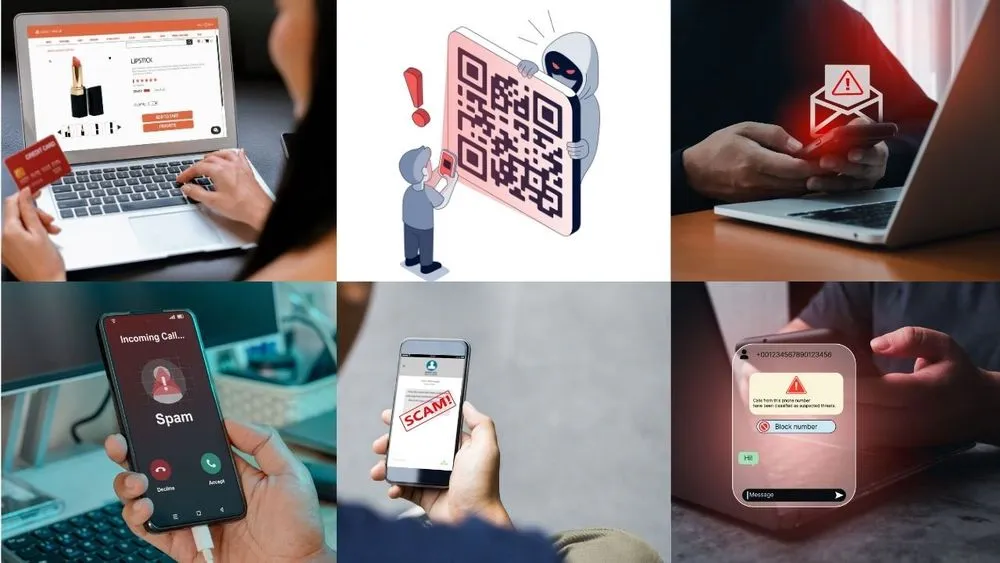
1. Phishing Emails
Phishing emails are designed to appear as though they come from trusted organisations such as banks, courier companies, government departments, or well-known brands.
Common warning signs include:
- Unexpected requests for personal information.
- Urgent messages asking for immediate action.
- Suspicious attachments or links.
- Email addresses that do not match the official organisation.
Always verify the sender before clicking any links or downloading attachments.
2. Fake OTP requests
One-Time Passwords (OTPs) are intended to confirm that you are authorising a transaction or account activity.
Fraudsters often attempt to obtain OTPs by:
- pretending to represent a bank or financial institution,
- claiming that your account requires urgent verification,
- offering fake rewards or cashback.
Remember:
- Never share an OTP with anyone.
- Banks, regulated financial institutions, and payment service providers generally do not ask customers to disclose OTPs over phone calls, SMS, or messaging applications.
3. Scam Phone Calls
Cyber criminals frequently impersonate:
- bank representatives,
- customer support executives,
- government officials,
- courier services,
- telecom operators.
These callers often create a false sense of urgency by claiming:
- your account will be blocked,
- KYC has expired,
- suspicious transactions have been detected,
- SIM verification is pending.
Before acting, disconnect the call and contact the organisation using its official customer support channels.
4. Fake Shopping Websites
Fraudulent websites often imitate legitimate e-commerce platforms to collect payment details or personal information.
Some common indicators include:
- unusually large discounts,
- poor website design,
- spelling mistakes,
- missing contact information,
- insecure payment pages,
- recently created domain names.
Before making any purchase, verify that the website uses a secure HTTPS connection and check whether the business has genuine customer reviews from trusted sources.
5. QR Code Fraud
QR codes have simplified digital payments, but they are also used in fraudulent schemes.
Some common fraud tactics include:
- asking users to scan a QR code to receive money,
- replacing genuine QR codes with fake ones,
- sharing QR codes through messaging platforms with misleading instructions.
A QR code may initiate actions beyond payments depending on the application being used. Always verify the purpose of a QR code before scanning it.
Fast, Simple, Minimal Documentation
6. WhatsApp Scams
Messaging platforms have become common channels for cyber fraud.
Fraudsters may:
- impersonate family members,
- request urgent financial help,
- share malicious links,
- send fake investment opportunities,
- circulate fraudulent job offers.
Before responding to financial requests, verify the sender's identity through another trusted communication channel.
7. Social Media Impersonation
Cyber criminals may create fake profiles that closely resemble genuine accounts belonging to friends, relatives, businesses, or public personalities.
These fake profiles may attempt to:
- collect personal information,
- request money,
- distribute malicious links,
- promote fraudulent schemes.
Always verify profile authenticity before engaging with requests involving money or sensitive information.
Top 25 Cyber Security Tips Which You Should Follow
Good cyber security is built through consistent habits rather than a single security tool. Following these practical cyber security tips can significantly reduce the risk of phishing, financial fraud, identity theft, and unauthorized access to your digital accounts.
- Use strong and unique passwords for every account:
Avoid using names, birthdays, or common words. A unique password for each account limits the impact if one account is compromised. - Enable Two-Factor Authentication (2FA) wherever available:
An additional authentication step helps improve account security even if your password is exposed. - Never share OTPs with anyone:
Banks, financial institutions, payment providers, and genuine customer support teams generally do not ask customers to disclose OTPs over calls, emails, or messages. - Verify website URLs before entering personal information:
Fraudsters often create fake websites with addresses that closely resemble legitimate websites. - Avoid clicking suspicious links received through SMS, emails, or messaging apps:
If you are unsure about a link, visit the organisation's official website manually instead. - Keep your mobile operating system and applications updated:
Software updates often contain important security improvements that help address known vulnerabilities. - Download applications only from trusted app stores:
Installing apps from unofficial sources increases the risk of malware and data theft. - Avoid using public Wi-Fi for sensitive financial transactions:
If necessary, use trusted mobile data or another secure network for banking and payment activities. - Review your bank statements and transaction alerts regularly:
Early identification of unauthorised transactions can help you take timely action. - Verify unexpected payment requests independently:
Before transferring money to anyone claiming to be a friend, family member, or colleague, confirm the request through a trusted communication channel. - Be cautious of QR codes shared by unknown individuals:
Always understand why you are scanning a QR code before completing any action. - Never save confidential banking information in unsecured notes or messages:
Protect account numbers, passwords, PINs, and security credentials from unnecessary exposure. - Regularly review account login activity where available:
Many online platforms allow users to monitor recently accessed devices and active sessions. - Be alert to emotional pressure or urgency:
Cyber criminals often create panic by claiming your account will be blocked or that immediate payment is required. - Verify customer care numbers from official websites:
Avoid calling numbers shared through social media comments, forwarded messages, or unverified search results. - Secure your social media privacy settings:
Limiting publicly visible personal information can reduce impersonation and identity theft risks. - Log out from shared or public devices after every session:
Closing the browser alone may not always end your logged-in session. - Back up important digital files regularly:
Maintaining secure backups can reduce disruption if devices are affected by malware or ransomware. - Be careful before sharing identity documents online:
Share Aadhaar, PAN, driving licence, or other documents only through trusted and authorised channels when genuinely required. - Watch for spelling mistakes and unusual language in messages:
Many phishing attempts contain grammatical errors, unusual formatting, or suspicious sender details. - Avoid sharing personal information publicly on social media:
Details such as your birth date, address, travel plans, or family information may be misused for fraud. - Monitor permissions granted to mobile applications:
Review whether apps genuinely require access to your contacts, camera, microphone, or location. - Report suspicious messages instead of forwarding them:
Reporting phishing attempts helps reduce the spread of fraudulent campaigns. - Educate family members about common online scams:
Children, senior citizens, and first-time smartphone users are often targeted because they may be less familiar with cyber fraud techniques. - Stay informed through trusted cyber awareness initiatives:
Awareness is one of the strongest forms of defence against evolving cyber threats. Initiatives such as SK Finance's Cyber Suraksha Abhiyaan encourage individuals to recognise common fraud techniques and adopt safer digital practices.
Remember: No single security measure can prevent every cyber attack. Combining awareness, cautious behaviour, and basic digital hygiene significantly improves online safety.
Read More: Cyber Suraksha Abhiyaan: A Step Towards Building a More Cyber – Safe India
Cyber Security Mistakes People Commonly Make
Many online frauds succeed because of everyday habits that unintentionally expose personal or financial information. Recognising these mistakes can help reduce cyber risks and strengthen digital safety.
1. Reusing Passwords
Using the same password across multiple websites may seem convenient, but it also increases risk. If one account is compromised, attackers may attempt to use the same credentials on banking, email, shopping, or social media platforms.
A safer approach is to:
- Create unique passwords for different accounts.
- Use longer passphrases that are difficult to guess.
- Update passwords if you suspect they have been exposed.
2. Saving Passwords on Shared Devices
Saving login credentials on computers or mobile devices used by multiple people can allow unauthorised access to your accounts.
Before using a shared device:
- Avoid selecting the "Remember Password" option.
- Log out after completing your work.
- Clear browsing data if appropriate.
3. Ignoring Software Updates
Delaying software updates can leave devices exposed to known security vulnerabilities that attackers may exploit.
Regularly updating:
- Operating systems,
- Browsers,
- Banking applications,
- Antivirus software,
- And mobile apps
helps improve device security and overall digital resilience.
4. Clicking Unknown Links
One of the most common causes of phishing attacks is clicking links without verifying their source.
Before opening any link:
- Check who sent it.
- Read the message carefully for unusual language or urgency.
- Visit the official website manually if verification is required.
- Avoid downloading unexpected attachments.
Practicing these simple habits can greatly strengthen your cyber awareness and reduce the likelihood of becoming a victim of online fraud.
How Families Can Stay Safe Online?
Cyber safety is most effective when it becomes a shared responsibility within the family. Children, senior citizens, and first-time smartphone users are often targeted because they may be less familiar with common fraud techniques. Building simple digital safety habits together can help reduce the risk of cyber fraud.
Families can strengthen their online safety by:
- Discussing common scams such as phishing, OTP fraud, QR code fraud, and fake customer support calls.
- Teaching children not to share personal information or passwords online.
- Helping senior citizens verify unexpected banking or payment requests before responding.
- Keeping devices updated with the latest security patches.
- Encouraging family members to use strong, unique passwords for important accounts.
- Reviewing privacy settings on social media platforms periodically.
- Verifying unknown payment requests through a trusted communication channel before transferring money.
- Reporting suspicious messages, calls, or websites instead of ignoring them.
Developing these habits helps create greater cyber awareness and reduces the chances of falling victim to digital fraud.
Cyber Safety Checklist Before Every Online Transaction
Before making any online payment or sharing sensitive information, take a few moments to verify that everything appears genuine. A simple checklist can help prevent many common forms of financial fraud.
- Verify that you are using the official website or mobile application.
- Check that the website address is correct before logging in.
- Confirm the identity of the person requesting payment or personal information.
- Read SMS alerts and payment confirmation messages carefully before approving transactions.
- Never share your OTP, PIN, CVV, or banking password with anyone.
- Avoid scanning QR codes received from unknown individuals or unverified sources.
- Review the payment amount and beneficiary details before confirming the transaction.
- Avoid completing financial transactions over unsecured public Wi-Fi whenever possible.
- Monitor your account statements regularly for any unauthorised activity.
- If you notice suspicious activity, immediately contact your bank or financial service provider through its official customer support channels.
Following this checklist consistently can significantly improve your online safety while using digital financial services.
How Cyber Suraksha Abhiyaan is Creating Digital Awareness?
Digital fraud continues to evolve, making public awareness an important part of cyber security. Along with technical safeguards, educating users about emerging fraud techniques helps individuals make informed decisions during everyday online activities.
SK Finance, through its Cyber Suraksha Abhiyaan, supports cyber awareness by encouraging individuals to recognise common online frauds, adopt safer digital practices, and stay informed about responsible online behaviour.
The initiative promotes awareness around topics such as:
- Phishing and fake banking messages.
- OTP and QR code fraud.
- Fake shopping websites.
- Scam phone calls.
- Social media impersonation.
- Safe digital payment practices.
Cyber awareness initiatives complement responsible digital behaviour by helping individuals identify potential risks before they become financial losses.
Following practical cyber security tips consistently can help individuals and families make safer choices in an increasingly connected digital world.
Disclaimer
The information provided in this blog is for general awareness and informational purposes only. For complete details regarding our products and services, please visit the nearest branch.
SK Finance never asks customers to share OTPs, Pins, passwords or provide screen-sharing access through any communication channel.